
Battery Testing & Replacement in Ryde
Professional Battery Testing and Replacement Service
You turn the key and hear nothing but a feeble click. Or worse—complete silence. Your car’s battery has died. At Top Ace Mechanical, we provide expert battery testing and replacement service to get you back on the road quickly. For over 25 years, we’ve been Ryde’s trusted source for quality batteries and professional installation.
A dead battery can leave you stranded at the worst possible time. The good news? Proper battery maintenance and timely replacement prevents roadside emergencies. We stock quality batteries for all vehicle types and install them correctly, with testing to ensure reliability.
How Your Car Battery Works
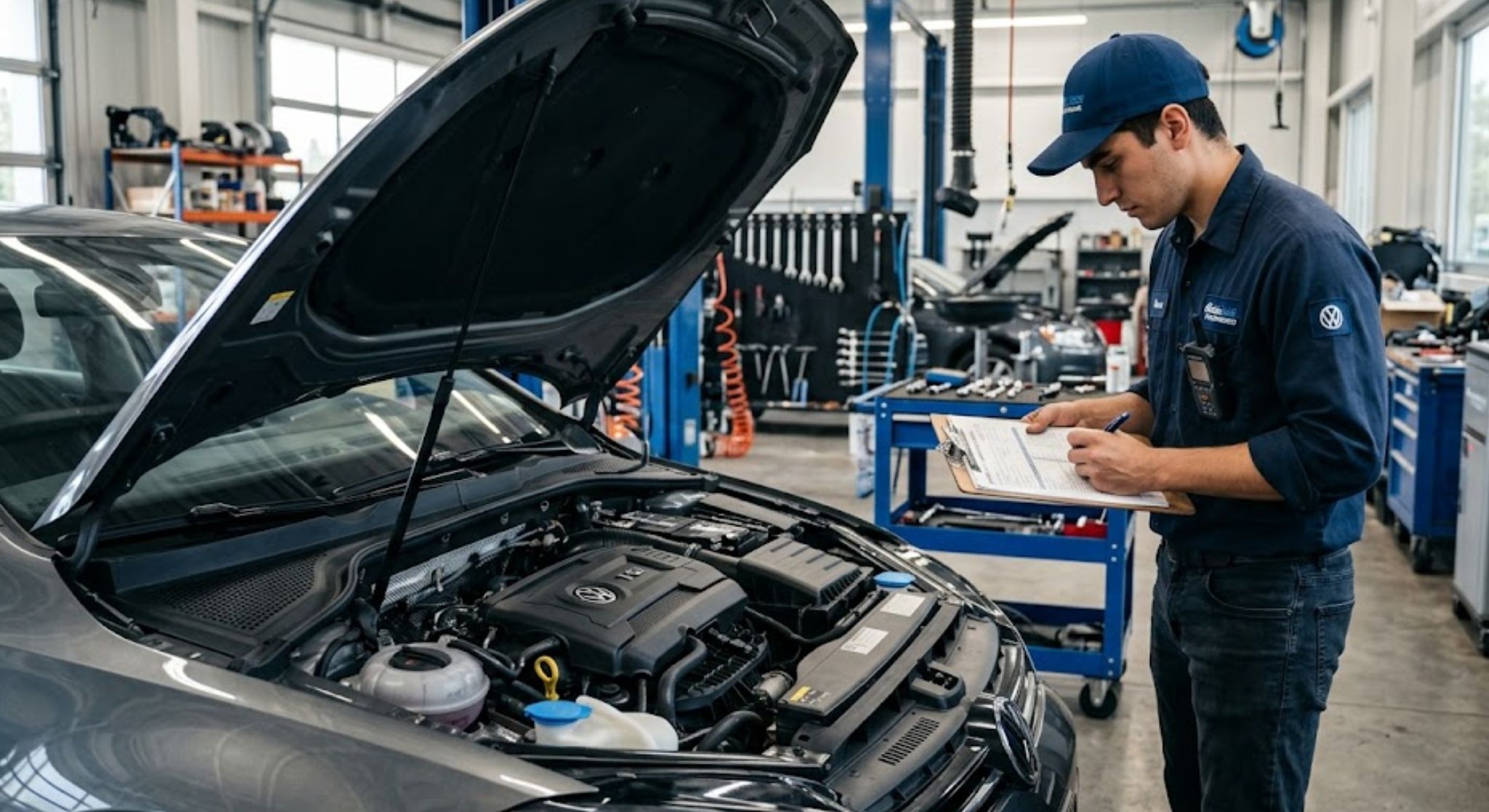
A modern car battery plays several important roles in a vehicle. When you turn the key, the battery provides a large electrical surge to the starter motor, allowing the engine to turn over so combustion can begin, and it must provide reliable cold-cranking power, especially in low temperatures. The battery also supports the electrical system by powering the ignition system, supplying power when the engine is idling, and running electrical accessories. In modern vehicles, the battery provides power to onboard computer systems, including the engine control unit (ECU), sensors, and other electronic systems. It also helps stabilize the vehicle’s electrical system by smoothing fluctuations in alternator output and protecting sensitive electronic components. Most modern car batteries are lead-acid batteries containing positive and negative lead plates, sulfuric acid electrolyte, and six cells that produce about 2 volts each, giving a total of approximately 12 volts. The positive and negative terminals connect the battery to the vehicle’s electrical system. When you turn the key, a chemical reaction inside the battery produces electrical energy that powers the starter motor and begins the engine-starting process.
Battery Testing Process at Top Ace Mechanical

Visual Inspection
Inspect the battery case for corrosion, cracks, leaks, or physical damage. Check the terminal connections to ensure they are clean, secure, and free from corrosion. Finally, assess the battery’s age and overall condition to determine whether it is still reliable or needs replacement.

Terminal Cleaning
Remove corrosion from the battery terminals and clean the cable connections using a wire brush. Ensure the terminals are clean and tightly connected to provide good electrical contact. Finally, apply a suitable corrosion preventative to help protect the terminals from future corrosion.

Voltage Testing
Measure the battery voltage while the engine is off; a fully charged battery should read approximately 12.6 volts. Then, measure the voltage with the engine running, which should typically be between 13.5 and 14.5 volts. Compare the readings with the manufacturer’s battery specifications to identify any potential problems.

Load Testing
Apply an electrical load to the battery and measure its voltage response. This test determines whether the battery can handle the vehicle’s electrical demands effectively. It also helps assess the battery’s reserve capacity and identify whether the battery is weak or requires replacement.

Cold Cranking Amperage Test
Measure the battery’s ability to supply sufficient current to the starter motor, especially under cold-start conditions. Test the battery according to its cold-cranking rating, which is important for reliable starting in winter. Finally, compare the test results with the manufacturer’s specifications to determine battery performance.
Alternator Output Test
Measure the alternator’s charging voltage to verify that the battery is being properly recharged while the engine is running. This test helps identify charging system problems and determine whether a starting or electrical issue is caused by a faulty battery or a problem with the alternator or charging system.

Electrical System Test Drive
Clearly explain the battery test results and provide an honest assessment of its condition. Based on the findings, recommend additional testing, replacement, or further service when necessary. If replacement is needed, discuss suitable battery options and help determine the correct type and specifications for the vehicle.

Final Road Test
Check the engine’s overall performance, ensure the transmission operates smoothly, and evaluate the braking response for any unusual behavior. A complete inspection should also be performed to identify potential safety issues and confirm that the vehicle is operating reliably and safely.
Battery Replacement Process
The battery replacement process begins by assessing the vehicle’s power requirements and selecting the correct battery type, size, CCA, brand, and warranty. Before removal, turn off the engine and electrical systems, remove the negative terminal first, and allow a hot battery to cool. Disconnect the terminals, remove the hold-down clamp, and carefully lift out the old battery. Clean and inspect the battery tray for corrosion, acid residue, or damage. Place the new battery correctly in the tray, secure the hold-down clamp, and connect the positive terminal first followed by the negative terminal, ensuring both connections are tight. Start the engine and test the alternator, dashboard lights, and electrical systems to confirm proper operation and that no warning lights appear. Finally, dispose of the old battery safely so its lead and acid can be recovered and recycled responsibly.

Battery Maintenance Tips to Extend Life
Keep Battery Terminals Clean
- Check monthly for corrosion
- Use wire brush to clean if corrosion appears
- Apply dielectric grease to terminals
- Ensure tight connections
Avoid Battery Drain
- Turn off all lights before exiting vehicle
- Ensure doors close completely (interior light sensor)
- Don’t leave accessories running with engine off
- Check for parasitic draws (unusual current drain)
Drive Regularly
- Longer drives recharge battery fully
- Avoid frequent short trips
- Short trips don’t allow battery to fully recharge
- Dead battery cycling reduces lifespan
Protect from Extreme Heat
- Park in shade when possible
- Extreme heat accelerates battery aging
- Ensure battery cooling airflow
- Check battery electrolyte level (if applicable)
Professional Testing
- Have battery tested annually (especially over 3 years old)
- Professional testing identifies problems before failure
- Early detection prevents roadside emergencies
Customer Reviews
What Ryde Drivers Say
Have carried out multiple repairs and scheduled services on our vehicle. Extremely helpful and quick to turn the work around. Very reasonable pricing and always feel we’ve only paid for the work that was really required. Thanks team. Great to see a small business doing well and servicing customers
Andrew Wyles
I live close to where the Ryde Top Ace workshop is. My car battery had stopped working after I had been overseas. The Top Ace personnel were kind enough to come to my home within a short time of my request and jump start my battery. Very obliging and prompt. I would recommend their services to anyone.
Jeniffer de sayrah
I had an excellent experience at Top Ace in West Ryde. From start to finish, their team was professional, honest, and truly went above and beyond. I came in for a routine service + diagnostics, and Amir the owner took the time to explain all the issues in clear, non-technical terms. The work was done quickly, they used quality parts, and when I picked up the car it ran smoother than ever. They also handled the paperwork for my pink/blue slip with no hassle.
Parviz Zakeri
FAQ
Most frequent questions and answers
Most car batteries last 3-5 years depending on:
- Climate (hot climates reduce lifespan)
- Driving habits (frequent short trips reduce lifespan)
- Vehicle age and condition
- Battery quality
- Electrical system condition
We recommend testing annually after 3 years.
Technically possible, but we recommend professional replacement because:
- Proper terminal connection is critical
- Wrong installation can damage electrical system
- Professional testing ensures reliability
- Disposal of old battery handled properly
- We warranty our installation
DIY mistakes can be costly.
Standard Lead-Acid: Budget option, reliable, 3-5 year lifespan
AGM (Absorbent Glass Mat): Better for modern vehicles with high electrical demands, 3-5 year lifespan, slightly more expensive
Enhanced Flooded Battery (EFB): Intermediate option, good for vehicles with start-stop technology
Lithium/Specialty Batteries: High-performance vehicles, more expensive, longer lifespan
We recommend the appropriate battery for your vehicle.
Possible causes:
- Parasitic draw (component drawing power when off)
- Alternator not charging (charging system failure)
- Defective battery (internal self-discharge)
- Open circuit (electrical component left on)
- Cold weather (normal increase in discharge rate)
Professional diagnosis identifies the cause.
Jump-starting is temporary emergency measure:
- Gets you mobile for driving to mechanic
- Does NOT fix underlying problem
- Battery likely needs replacement or charging system repair
- Continued use risks breakdown elsewhere
Come see us immediately if you need a jump-start.
Ready to Book Your Service?
Over 25 years of trusted auto care in Ryde. Call us today or book online; we’ll have you back on the road quickly.