Brake Repairs & Replacement in Ryde
Expert Brake Service You Can Trust With Your Safety
Your vehicle’s braking system is one of the most critical safety systems on your car. When your brakes fail, the consequences can be catastrophic. At Top Ace Mechanical, we take brake safety seriously. For over 25 years, we’ve been providing expert brake repairs and replacements for families and businesses across Ryde, Macquarie Park, Epping, and Eastwood NSW.
Whether you need brake pad replacement, rotor resurfacing, hydraulic repairs, or complete brake system service, our certified technicians have the expertise and equipment to keep you safe on the road. Don’t compromise on brakes, trust the professionals.
Why Brake Safety Matters
Your braking system must perform reliably every single time. A brake failure can result in:
- Loss of vehicle control
- Collision with other vehicles
- Injury or death to you or others
- Property damage
Modern vehicles depend on sophisticated brake systems that integrate:
- Anti-lock braking (ABS)
- Electronic brake distribution
- Brake assist technology
- Regenerative braking (hybrid/electric vehicles)
Any component failure puts your safety at risk. Regular brake service prevents failures before they happen.
8 Critical Warning Signs Your Brakes Need Service Now
Soft or Spongy Brake Pedal
Your brake pedal should feel firm and provide consistent resistance when pressed. If the pedal feels soft, spongy, or travels too far before engaging, it may indicate air in the hydraulic lines, a brake fluid leak, a worn brake master cylinder, or contaminated brake fluid. These conditions can reduce braking performance and may progress to complete brake failure. Stop driving and have the braking system inspected by a qualified technician immediately.

Hard Brake Pedal
If you must push hard on the brake pedal to stop, the braking system may have a failed brake booster, blocked hydraulic lines, contaminated brake fluid, or a brake pad material issue. These problems can reduce braking effectiveness and make driving tiring and unsafe. Have the vehicle’s braking system professionally diagnosed within 24 hours. Until inspected, avoid unnecessary driving and seek prompt repair to help prevent a more serious brake failure.

Low or Dropping Brake Pedal
If the brake pedal goes nearly to the floor before the brakes engage, it may indicate a brake fluid leak, worn brake pads causing low fluid levels, master cylinder failure, or caliper piston damage. These issues can significantly reduce braking performance and increase the risk of brake failure. Immediate inspection is required. Do not continue driving unless it is safe to do so, as this is a serious safety concern.

Noisy Brakes
Squealing brakes may indicate worn brake pads nearing replacement, brake pad wear indicators contacting the rotor, or dust accumulation. Grinding noises are more serious and may indicate completely worn brake pads causing metal-to-metal contact, damaged rotors or calipers, or foreign material in the braking system. Squealing means service is needed soon, while grinding requires you to stop driving immediately and have the braking system inspected.

Brake Pulsation
If the brake pedal pulsates or vibrates when you apply pressure, it may be caused by warped brake rotors, uneven pad wear, stuck calipers, or unbalanced brake pressure. These problems can affect braking performance and may reduce stopping power, creating a potential safety risk. Have the braking system inspected and serviced within a few days. If the vibration becomes severe or braking performance worsens, seek professional inspection immediately.
Vehicle Pulling to One Side During Braking
If your car pulls to the left or right when braking, it may be caused by uneven brake pad wear, a stuck or seized caliper, a leaking brake hose, uneven tire pressure, or a wheel alignment issue. Pulling during braking can affect directional control and increase the risk of an accident. Have the braking system inspected immediately to identify and correct the underlying problem.

Brake Warning Light on Dashboard
If your brake warning light comes on, it may indicate a low brake fluid level, brake system pressure loss, ABS failure, or an electronic brake system fault in modern vehicles. This warning means the braking system may require immediate attention and should not be ignored. Check the vehicle’s brake system promptly and have it inspected by a qualified technician to identify and resolve the issue safely.

Burning Smell When Braking
A burning or acrid smell during braking may indicate overheating brake fluid, overheated brake pads, a glazed rotor surface, or stuck calipers causing excessive friction. If the smell is strong, stop the vehicle immediately and pull over safely. Allow the brakes to cool before continuing, and avoid aggressive or repeated braking. Have the braking system inspected if the smell persists or returns.
Understanding Your Brake System Components
Don’t wait for your service warning light. Watch for these signs that your vehicle needs attention:
Brake Pads and Linings: Friction materials that press against brake rotors or drums to create stopping force. They wear down over time, typically lasting around 50,000–70,000 km depending on driving conditions and style.
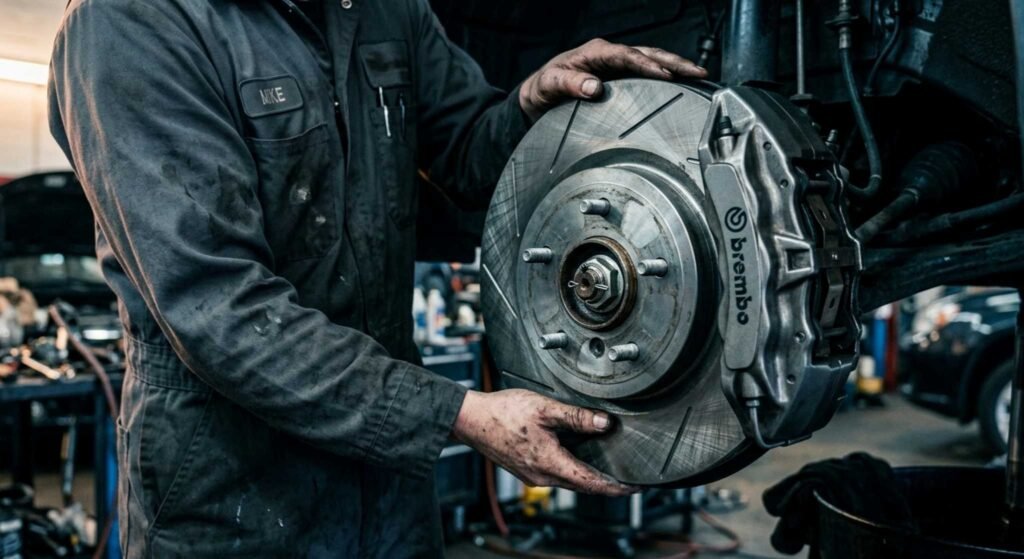
Brake Rotors (Discs): Spinning discs that brake pads grip to slow the vehicle. They can warp, crack, or become glazed, reducing braking efficiency.
Brake Calipers: Hydraulic components that squeeze the brake pads against the rotors. Seized caliper pistons can cause uneven braking and premature wear.
Brake Drums and Wheel Cylinders: Commonly found on older vehicles and many rear axles, drum brakes use wheel cylinders instead of calipers. They are generally less efficient than disc brakes but remain widely used.
Master Cylinder: Converts brake pedal pressure into hydraulic pressure throughout the braking system. A failed master cylinder can cause significant brake loss.
Our Comprehensive Brake Service and Repair Process
Step 1: Safety Inspection (15–20 minutes)
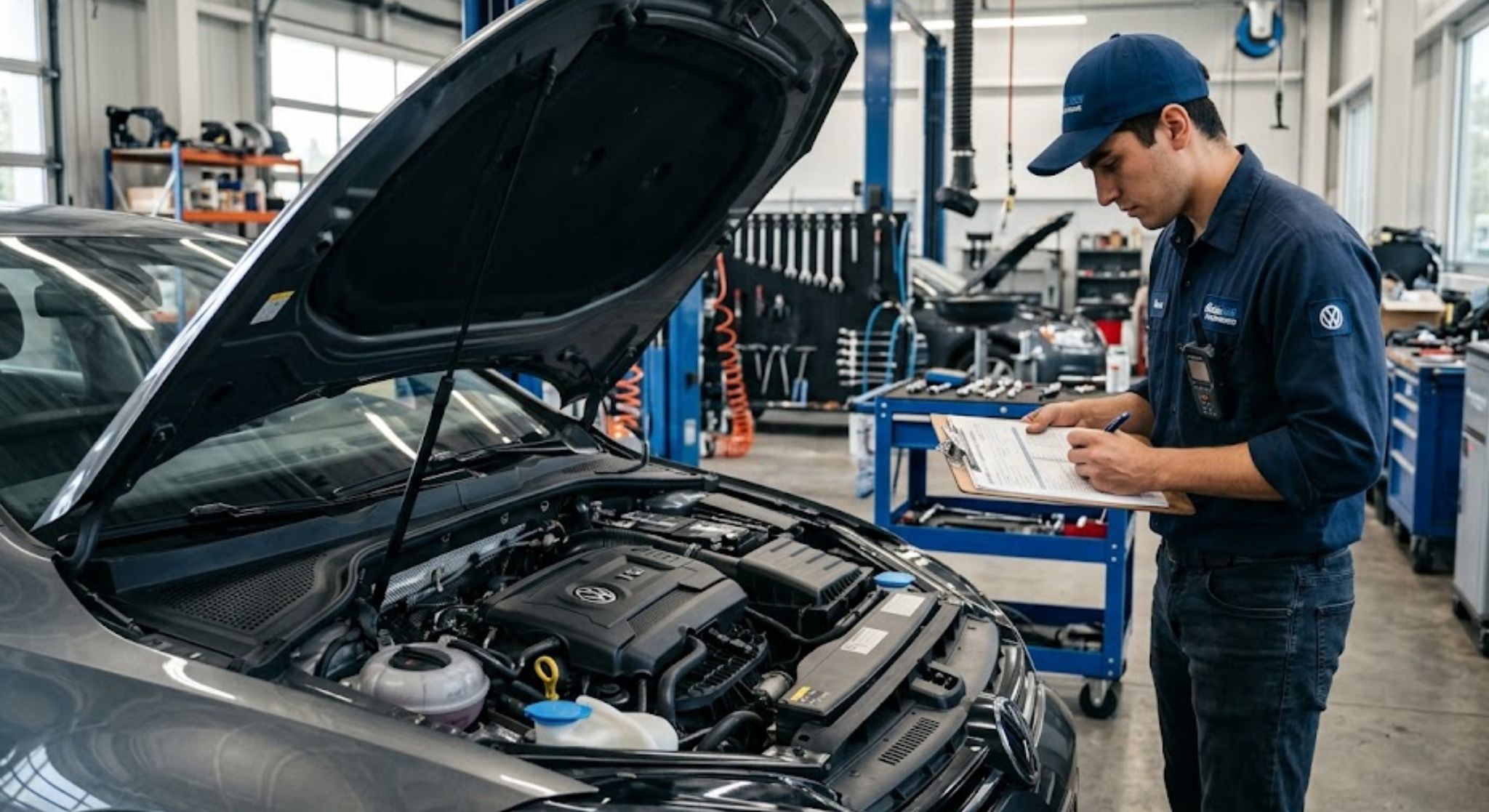
Begin with a visual inspection of all major brake components. Check the brake fluid level and condition, inspect brake hoses for cracks or deterioration, examine the brake pads for wear, and look for signs of fluid leaks, corrosion, or other visible damage.
Step 2: Test Drive Evaluation (10–15 minutes)
In a safe area, evaluate overall braking performance. Check the brake pedal for hard, soft, or spongy feel, and look for pulling, pulsation, unusual noises, delayed response, or excessive stopping distance.
Step 3: Detailed Brake System Diagnosis (20–30 minutes)
Measure brake pad thickness and inspect the rotors for warping, scoring, glazing, and proper thickness. Test hydraulic brake pressure, scan the ABS system for faults, assess brake fluid condition, inspect calipers and wheel cylinders, and test the brake booster to identify underlying problems.
Customer Reviews
What Ryde Drivers Say
Have carried out multiple repairs and scheduled services on our vehicle. Extremely helpful and quick to turn the work around. Very reasonable pricing and always feel we’ve only paid for the work that was really required. Thanks team. Great to see a small business doing well and servicing customers
Andrew Wyles
I live close to where the Ryde Top Ace workshop is. My car battery had stopped working after I had been overseas. The Top Ace personnel were kind enough to come to my home within a short time of my request and jump start my battery. Very obliging and prompt. I would recommend their services to anyone.
Jeniffer de sayrah
I had an excellent experience at Top Ace in West Ryde. From start to finish, their team was professional, honest, and truly went above and beyond. I came in for a routine service + diagnostics, and Amir the owner took the time to explain all the issues in clear, non-technical terms. The work was done quickly, they used quality parts, and when I picked up the car it ran smoother than ever. They also handled the paperwork for my pink/blue slip with no hassle.
Parviz Zakeri
FAQ
Most frequent questions and answers
Brake pad replacement typically costs $200-$500 per axle depending on vehicle and pad quality. At Top Ace Mechanical, we always provide upfront quotes. Call (02) 9807 2827 for your specific vehicle’s pricing.
Most brake pads last 50,000-70,000 kilometers or 3-5 years. Factors affecting life:
- Driving style (aggressive braking wears pads faster)
- Vehicle weight
- Brake system type
- Road conditions (city driving wears pads faster than highway)
We’ll advise when replacement is needed.
Not always. We inspect rotor condition and recommend replacement only if needed. Rotating or resurfacing rotors often extends their life and saves money.
OEM (Original Equipment Manufacturer): Made by your vehicle’s manufacturer, guaranteed fit, often more expensive, maximum performance for your specific vehicle.
Aftermarket: Made by third parties, often less expensive, quality varies. We source quality aftermarket options that perform excellently at lower cost.
Simple brake pad replacement: 1-2 hours
Rotor replacement: 2-3 hours
Complete brake system service: 3-5 hours
We’ll provide a timeline when quoting.
Ready to Book Your Service?
Over 25 years of trusted auto care in Ryde. Call us today or book online; we’ll have you back on the road quickly.