
Clutch Repairs & Replacement in Ryde
Expert Clutch Repair and Replacement Services You Can Trust
Is your clutch pedal feeling soft? Does your car jerk when accelerating? If you drive a manual transmission vehicle in Ryde, NSW, you know how important a healthy clutch is. At Top Ace Mechanical, we specialize in diagnosing and repairing clutch problems for all makes and models. With over 25 years of experience, we’ve helped countless Ryde residents get their vehicles back to smooth, reliable driving.
A worn or damaged clutch can make driving uncomfortable and unsafe. The good news? Our experienced technicians can have your clutch repaired or replaced quickly and affordably. We service vehicles across Ryde, Macquarie Park, Epping, Eastwood, and surrounding areas.
What Does Your Clutch Do?
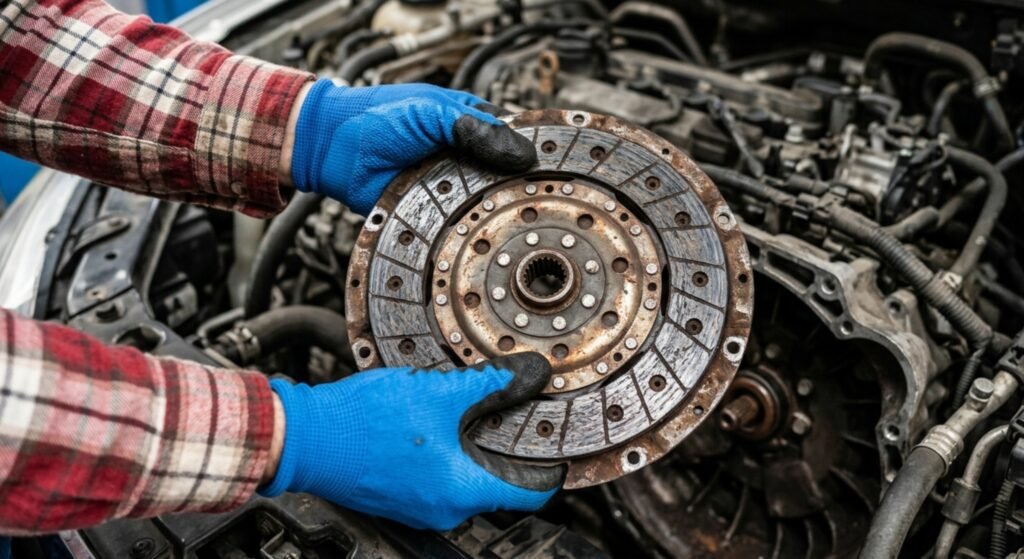
Your car’s clutch is a critical component that connects your engine to the transmission. It allows you to:
- Engage the engine smoothly when starting from a standstill
- Disengage power from the engine when changing gears
- Control power delivery as you accelerate
- Prevent stalling when starting the engine
Without a functioning clutch, your manual transmission vehicle simply won’t operate. A failing clutch makes driving difficult, unsafe, and can damage your transmission if ignored.
5 Warning Signs Your Clutch Needs Service or Replacement
Early warning signs mean you can catch problems before they become expensive. If you notice any of these symptoms, don't ignore them, contact Top Ace Mechanical immediately:

Soft or Spongy Clutch Pedal
Your clutch pedal should feel firm and provide consistent resistance when pressed. If it feels soft, spongy, or travels too far toward the floor before engaging, there may be a problem with the clutch hydraulic system. Possible causes include low clutch fluid, air in the hydraulic lines, a leaking master or slave cylinder, or worn components. Have the clutch system inspected promptly and top up the fluid if required for safe operation.

Clutch Pedal Sticks or Feels Stiff
A clutch pedal that sticks, feels difficult to press, or requires excessive effort may indicate a problem within the clutch system. Possible causes include a damaged or worn clutch linkage, a hydraulic system issue, low or contaminated clutch fluid, or a stretched, seized, or damaged clutch cable in older vehicles. These problems can make gear changes difficult and may worsen over time. Have the clutch system inspected and repaired promptly to maintain safe, smooth operation.

Vehicle Jerks or Lurches When Shifting Gears
Gear changes should be smooth and seamless during normal driving. If your car jerks, lurches, or hesitates when changing gears, it may indicate a worn or damaged clutch. Other possible causes include clutch adjustment problems, hydraulic issues, or transmission-related faults. Continued driving with these symptoms can worsen the problem and affect vehicle performance. Have the clutch and transmission system inspected by a qualified technician to determine the exact cause and necessary repairs.

Grinding Noise When Changing Gears
A grinding or crunching sound when shifting gears may indicate that the clutch is not fully disengaging. Possible causes include clutch adjustment problems, hydraulic system faults, worn clutch components, or internal transmission issues. If the problem is ignored, repeated grinding can cause additional wear and potentially damage transmission components. Have the clutch and transmission inspected promptly to identify the cause and prevent further damage or costly repairs.

Suspension and Steering Check
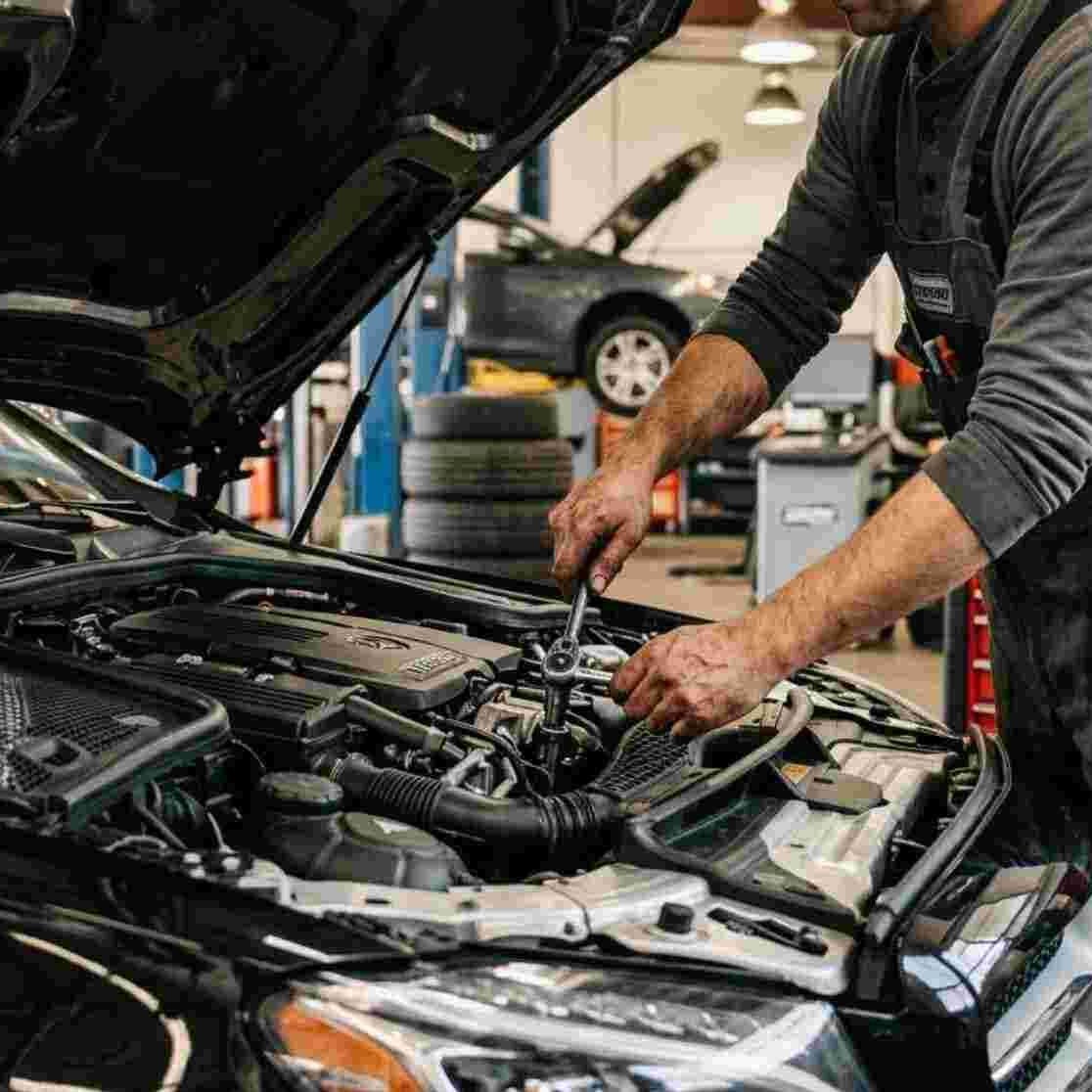
A thorough suspension and steering inspection should include checking suspension joints and bearings for wear or looseness, examining the condition of the shock absorbers for leaks or reduced performance, and inspecting steering linkages for damage or excessive play. Control arm bushings should also be checked for cracks, deterioration, or wear. Identifying these issues early can help maintain proper handling, ride comfort, steering control, and overall vehicle safety.

Burning Smell When Driving
A distinctive burning smell, similar to burning rubber or friction material, when accelerating or shifting gears may indicate that the clutch is overheating due to excessive slipping. Continued driving can cause further clutch damage and reduce vehicle performance. This requires urgent attention. Stop driving as soon as it is safe to do so and have the clutch system inspected immediately by a qualified technician.

Bonus Warning Signs:
Difficulty starting the car may indicate that the clutch is not fully disengaging. If the engine revs increase but the vehicle does not accelerate properly, the clutch may be slipping under load. A clutch that engages unusually high or low can indicate worn friction material or adjustment issues. Fluid leaking underneath the vehicle may signal a hydraulic system failure. These symptoms should be inspected promptly to prevent further clutch or transmission damage.
Final Road Test
A comprehensive vehicle inspection should evaluate engine performance, transmission smoothness, and braking response to ensure the vehicle operates properly. The inspection should also include an overall safety check covering essential components and systems. Identifying potential problems early can help prevent unexpected breakdowns, improve driving performance, and reduce safety risks. Regular inspections also provide an opportunity to address minor issues before they develop into more serious and costly repairs.
Common Causes of Clutch Problems
Normal Wear and Tear Like brake pads, clutch material wears down with normal use. This is the most common cause of clutch failure.
Clutch problems can result from aggressive driving habits such as riding the clutch, heavy acceleration, rapid gear changes, improper towing, or frequent stop-and-start city driving. Hydraulic system failures, including leaking clutch fluid, air in the lines, or worn master and slave cylinders, can also cause issues. Damaged components such as clutch cables, bearings, bushings, pressure plates, or flywheels may contribute. Additionally, engine oil leaking onto the clutch material can contaminate and damage the friction surface, requiring thorough inspection to prevent repeat failure.

How Often Should You Service Your Logbook?
Your manufacturer’s logbook specifies exact service intervals. Most modern vehicles require:
- Every 10,000 kilometers OR
- Every 6 months (whichever comes first)
Older vehicles or those with different engine types may have different intervals. Always check your logbook or owner’s manual for your specific vehicle’s requirements.
Pro Tip: We recommend keeping a service reminder in your phone on the date your service is due. Life gets busy, don’t let a missed service void your warranty.
Customer Reviews
What Ryde Drivers Say
Have carried out multiple repairs and scheduled services on our vehicle. Extremely helpful and quick to turn the work around. Very reasonable pricing and always feel we’ve only paid for the work that was really required. Thanks team. Great to see a small business doing well and servicing customers
Andrew Wyles
I live close to where the Ryde Top Ace workshop is. My car battery had stopped working after I had been overseas. The Top Ace personnel were kind enough to come to my home within a short time of my request and jump start my battery. Very obliging and prompt. I would recommend their services to anyone.
Jeniffer de sayrah
I had an excellent experience at Top Ace in West Ryde. From start to finish, their team was professional, honest, and truly went above and beyond. I came in for a routine service + diagnostics, and Amir the owner took the time to explain all the issues in clear, non-technical terms. The work was done quickly, they used quality parts, and when I picked up the car it ran smoother than ever. They also handled the paperwork for my pink/blue slip with no hassle.
Parviz Zakeri
FAQ
Most frequent questions and answers
Clutch replacement costs depend on your vehicle’s make, model, and condition. At Top Ace Mechanical, we provide upfront quotes before any work begins. Clutch replacement typically includes labor (usually 2-4 hours) and parts (friction disc, pressure plate, release bearing). Call (02) 9807 2827 for your specific vehicle’s quote.
Most clutch replacements take 3-5 hours depending on your vehicle’s complexity. Some vehicles require longer due to transmission accessibility. We’ll provide a timeline when you book.
While technically possible, we recommend replacing the complete clutch kit (friction disc, pressure plate, and release bearing) at the same time. This ensures even wear, longer lifespan, and prevents repeat problems. A partial replacement now could mean another clutch replacement in 12 months.
Repair fixes specific issues (hydraulic problems, linkage adjustment) without replacing the entire clutch. Replacement involves installing new clutch components when material is worn. Our diagnosis determines which is needed.
- Avoid riding the clutch while driving
- Use full throttle when accelerating
- Don’t slip the clutch during hill starts (use handbrake instead)
- Avoid heavy towing without proper setup
- Keep your vehicle maintained
Ready to Book Your Service?
Over 25 years of trusted auto care in Ryde. Call us today or book online; we’ll have you back on the road quickly.